
-
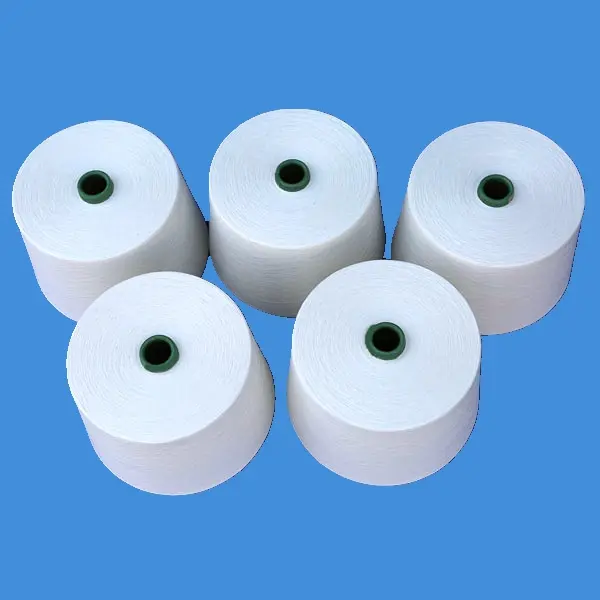
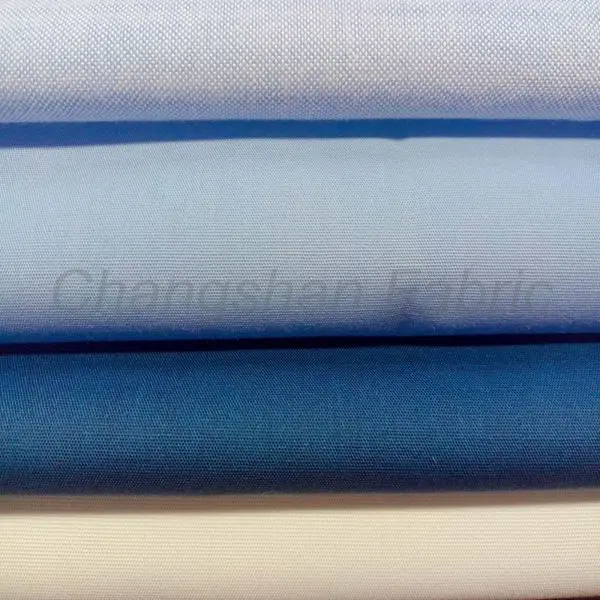
 butter crepe fabric for lining
Introduction to Advanced AC Quilt Sets for B2B Applications In the dynamic world of B2B textiles, the demand for high-performance and innovative bedding solutions continues to grow. Among these, the advanced ac quilt set stands out as a critical product category, offering unparalleled comfort, thermal regulation, and durability for various commercial environments. Designed to provide optimal sleep
-
 full size bed set
In the evolving landscape of home textiles, the bed cover set stands as a cornerstone of bedroom aesthetics and comfort. More than just a functional item, a bed cover set transforms a bedroom into a sanctuary, reflecting personal style while providing essential warmth and hygiene. This in-depth guide explores the intricacies of bed cover set s, from industry trends and technical specifications to
-
 flannel sheet set
bath sheet set, beach comforter set, beautiful bedding sets is a key solution in the consumer goods industry, specifically within Home textiles and bedding. This article explores how Hebei Henghe Bangxing New Material Co., Ltd. supports professionals with durable, high-performance products, and explains why this product is an ideal choice for businesses in these sectors. Table of Contents bath she
-
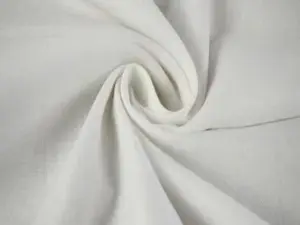 jersey lining fabric
Introduction to Advanced Lining Fabrics In industrial and consumer applications alike, the selection of appropriate lining fabrics is paramount for enhancing product longevity, performance, and user experience. Modern textile engineering has led to a diverse range of materials, each tailored for specific functional requirements, from protective barriers to comfort-enhancing layers. Understanding t
-
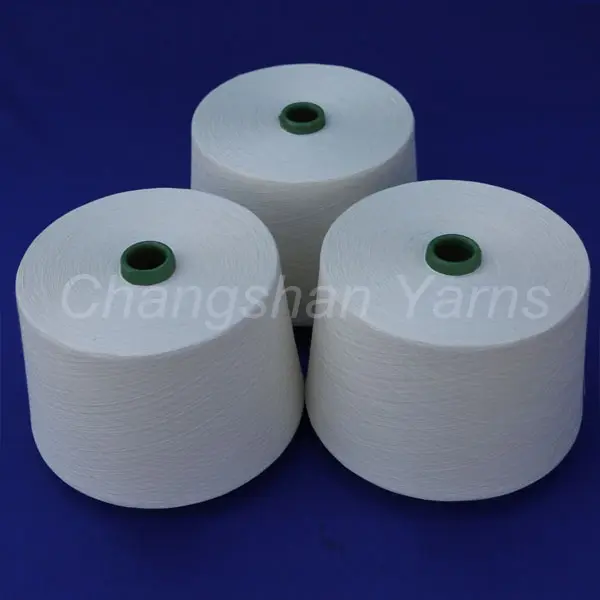 bamboo cotton yarn
Hebei Henghe Bangxing New Material Co., Ltd. takes pride in offering premium Australian cotton yarn that sets new standards in textile excellence. As one of the leading Australian cotton yarn manufacturers , we specialize in producing high-count 80S combed yarns that combine luxurious softness with exceptional durability. Our innovative cotton merino yarn Australia blends represent the perfect mar

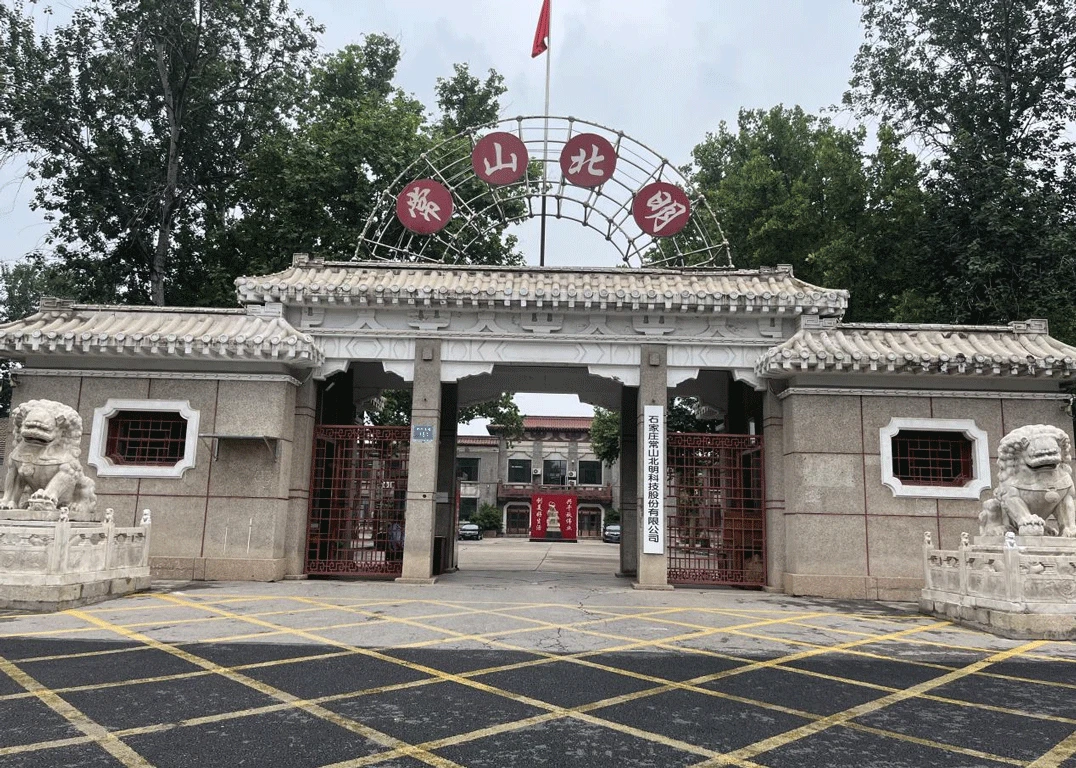
100 cotton yarn for knitting
Introduction: The Enduring Appeal of 100% Cotton Printed Quilt Cover in Modern Textiles In the dynamic world of commercial textiles, the demand for products that seamlessly blend aesthetic appeal, functional superiority, and sustainable attributes is consistently on the rise. Among these, the 100% Cotton Printed Quilt Cover stands out as a prime example, embodying a perfect synthesis of natural comfort and sophisticated design. This product category is not merely about providing a protective layer for bedding; it represents a critical component in enhancing the user experience, influencing perceptions of quality and comfort in diverse settings ranging from luxury hospitality establishments to high-end residential developments and specialized healthcare environments. The strategic selection and procurement of such textiles demand a comprehensive understanding of their inherent properties, manufacturing intricacies, performance benchmarks, and long-term economic viability. The global textile market, particularly within the home furnishings and hospitality sectors, continues to evolve, driven by consumer preferences for natural fibers, advanced printing technologies that offer unparalleled design flexibility, and a growing emphasis on environmental responsibility. Recent industry analyses indicate a sustained growth trajectory for natural fiber textiles, with cotton remaining a dominant force due to its breathability, softness, and durability. Reports from sources like Grand View Research project the global home textile market size to reach USD 162.0 billion by 2030, expanding at a CAGR of 6.3% from 2023 to 2030, with bedding products, including quilt covers, forming a substantial segment. This growth is underpinned by factors such as increasing disposable incomes, urbanization, and a heightened focus on interior aesthetics. Furthermore, technological advancements in digital printing have revolutionized the production of intricate and vibrant designs on cotton fabrics, allowing for greater customization and reduced lead times. This innovation empowers businesses to swiftly respond to market trends and offer unique, branded solutions. Beyond aesthetics, the inherent benefits of cotton—its hypoallergenic nature, moisture-wicking capabilities, and ease of maintenance—make a 100% Cotton Printed Quilt Cover an ideal choice for environments prioritizing occupant well-being and operational efficiency. However, navigating the complexities of sourcing these products requires a deep dive into manufacturing processes, quality control standards, and the overall supply chain's reliability. This article aims to provide B2B decision-makers and technical personnel with an exhaustive guide, covering everything from the intricate manufacturing journey and critical technical parameters to strategic application scenarios, vendor selection criteria, and the foundational elements of trust and accountability in procurement. Our objective is to equip you with the insights necessary to make informed decisions, ensuring the acquisition of a 100% Cotton Printed Quilt Cover that not only meets but exceeds functional and aesthetic expectations while delivering long-term value. The Manufacturing Process: Crafting Superior 100% Cotton Printed Quilt Cover The creation of a high-quality 100% Cotton Printed Quilt Cover is a meticulously orchestrated sequence of textile engineering and artistic application, far removed from the simplistic notion of mere fabric and design. This sophisticated manufacturing journey begins with the selection of premium raw cotton fibers and culminates in a finished product that stands as a testament to durability, comfort, and visual appeal. Understanding this intricate process is crucial for B2B buyers seeking assurance in product quality, consistency, and ethical sourcing. The journey typically involves several distinct phases, each with its own set of technical specifications and quality checkpoints, ensuring the final product meets stringent industry standards. The initial phase involves Fiber Sourcing and Preparation, where raw cotton bales are selected based on fiber length (staple length), fineness (micronaire), strength, and maturity. Long-staple cotton varieties, such as Egyptian or Pima cotton, are often preferred for their superior strength, softness, and luster, directly impacting the luxurious feel and longevity of the quilt cover. After ginning to separate fibers from seeds, the cotton undergoes opening and blending to prepare it for spinning. This is followed by Spinning, where the processed cotton fibers are twisted into yarns. The choice between ring-spun and open-end (rotor) spun yarns is critical: ring-spun yarns are generally stronger, smoother, and more uniform, contributing to a softer hand feel and better printing surface, making them ideal for premium 100% Cotton Printed Quilt Cover . Yarn count (e.g., Ne 40s, Ne 60s) dictates the fineness and strength of the yarn, directly influencing the fabric's thread count and drape. Next is Weaving, where yarns are interlaced on looms to create the fabric. Common weaves for quilt covers include plain weave (percale), sateen, and twill. Percale, characterized by its one-over-one-under pattern, offers a crisp, cool feel and a matte finish. Sateen, with its four-over-one-under pattern, yields a silky, lustrous surface and a softer drape. The weave type significantly affects the fabric's durability, breathability, and aesthetic. Post-weaving, the fabric undergoes extensive Pre-treatment Processes to remove impurities, enhance absorbency, and prepare the surface for printing. These steps include singeing (burning off surface fibers for smoothness), desizing (removing sizing agents applied during weaving), scouring (boiling in alkaline solutions to remove waxes and oils), and bleaching (whitening the fabric). A critical pre-treatment is Mercerization, a chemical process that swells cellulose fibers, increasing their strength, luster, and affinity for dyes, resulting in more vibrant and long-lasting prints on a 100% Cotton Printed Quilt Cover . The core of a 100% Cotton Printed Quilt Cover 's appeal lies in its design, achieved through Advanced Printing Techniques. For cotton, reactive printing is predominantly used for its superior colorfastness, vibrancy, and soft hand feel, as the dyes chemically bond with the cotton fibers. Digital printing offers unparalleled design complexity, photographic detail, and short-run flexibility, making it ideal for custom designs or limited editions. Rotary screen printing, conversely, is highly efficient for large-volume production with repetitive patterns. Pigment printing is another option, often used for more economical prints, but may have a slightly stiffer hand feel and lower colorfastness compared to reactive dyes. The selection of printing method depends heavily on desired aesthetic, volume, and performance requirements. Following printing, the fabric undergoes Finishing Processes to enhance its properties and prepare it for cut and sew. This includes washing to remove excess dyes and chemicals, drying, and Sanforization, a mechanical process that pre-shrinks the fabric to minimize shrinkage after subsequent washing by the end-user. Other finishing touches might include calendering for smoothness or the application of softening agents. Finally, the finished fabric proceeds to Cut & Sew, where it is precisely cut according to pattern specifications and expertly sewn into the final 100% Cotton Printed Quilt Cover . Seam strength, stitching consistency, and dimensional accuracy are paramount at this stage. Throughout the entire manufacturing journey, rigorous Quality Control and Inspection Standards are applied. This includes continuous monitoring of yarn quality, fabric construction, dye penetration, print registration, and dimensional stability. Post-production, each batch of 100% Cotton Printed Quilt Cover undergoes a battery of tests to confirm adherence to international standards such as ISO (International Organization for Standardization) for colorfastness to washing (ISO 105-C06), rubbing (ISO 105-X12), and light (ISO 105-B02), as well as shrinkage percentage (ISO 6330), pilling resistance (ISO 12945), and tensile and tear strength (ISO 13934/13937). Furthermore, certifications like OEKO-TEX Standard 100 are crucial, ensuring the absence of harmful substances, thereby guaranteeing product safety for consumers across industries like hospitality, healthcare, and residential. The adherence to these rigorous standards not only ensures the product's longevity, typically 3-5 years or more under proper care in commercial settings, but also solidifies trust in the manufacturer's commitment to delivering a superior 100% Cotton Printed Quilt Cover that offers both aesthetic appeal and practical performance. Technical Parameters and Performance Benchmarks for 100% Cotton Printed Quilt Cover The performance and perceived quality of a 100% Cotton Printed Quilt Cover are directly quantifiable through a series of crucial technical parameters. For B2B buyers, understanding these specifications is paramount for making informed procurement decisions, ensuring that the acquired product aligns with specific application requirements, budget constraints, and long-term durability expectations. Beyond subjective aesthetic appeal, these objective metrics provide a robust framework for evaluating potential suppliers and verifying product claims, thereby mitigating risks associated with sub-standard or misrepresented goods. One of the most frequently cited parameters is Thread Count (TC), which denotes the number of horizontal and vertical threads woven into one square inch of fabric. While a higher TC often implies a softer, denser, and potentially more durable fabric (e.g., 300TC to 600TC for luxury bedding), it's crucial to consider the yarn quality and weave structure. A 200TC fabric made with high-quality, long-staple single-ply yarns can often outperform a 400TC fabric made with lower-quality, multi-ply yarns. Another key metric is Gram per Square Meter (GSM), which measures the fabric's weight and density. For quilt covers, GSM typically ranges from 120-180 GSM, indicating a good balance of durability, drape, and breathability. Higher GSM generally means a thicker, more substantial fabric. Colorfastness is a critical performance indicator for any printed textile. It refers to the fabric's ability to retain its original color when exposed to various environmental factors, such as washing, light, perspiration, and rubbing. Measured on a scale of 1 (poor) to 5 (excellent) or 1 to 8 for lightfastness, a high colorfastness rating (e.g., 4-5 for washing, 4 for light) is essential for a 100% Cotton Printed Quilt Cover , particularly in commercial settings where frequent laundering is common. Shrinkage Resistance is another vital factor; cotton naturally shrinks, so pre-shrunk or sanforized fabrics are preferred. Industry standards typically limit residual shrinkage to +/- 3% after multiple washes (e.g., ISO 6330). High shrinkage can lead to ill-fitting quilt covers and dissatisfaction. Parameter Typical Range/Value for Premium Quilt Covers Significance for 100% Cotton Printed Quilt Cover Thread Count (TC) 200 TC - 600 TC (Single Ply) Influences softness, drape, and durability. Higher TC with quality yarn signifies luxury and longevity. Gram per Square Meter (GSM) 120 GSM - 180 GSM Indicates fabric weight and density; higher GSM often means better warmth, opacity, and resilience. Colorfastness to Washing Rating 4-5 (ISO 105-C06) Crucial for maintaining print vibrancy and preventing color bleed over repeated commercial laundering cycles. Shrinkage Percentage +/- 3% max (ISO 6330) Ensures the quilt cover maintains its intended size and fit after industrial washing, reducing replacement needs. Pilling Resistance Rating 4-5 (ISO 12945-2) Minimizes the formation of small fiber balls on the fabric surface, preserving aesthetic appeal and smooth feel over time. Tensile/Tear Strength High, specific values depend on TC/GSM (ISO 13934/13937) Indicates resistance to ripping and tearing, crucial for longevity in high-usage environments like hospitality. pH Value 4.0-7.5 (OEKO-TEX Standard 100) Ensures the fabric is skin-friendly and free from harmful residual chemicals, vital for health and safety. Beyond these physical properties, Pilling Resistance (measured by ISO 12945-2) is crucial, indicating the fabric's propensity to form undesirable small balls of fibers on its surface due to abrasion. A rating of 4-5 signifies excellent resistance, maintaining the quilt cover's smooth appearance over time. Tensile and Tear Strength (ISO 13934/13937) are also vital, particularly for textiles subjected to frequent industrial laundering, as they predict the fabric's resistance to ripping and structural degradation. For authoritative validation, manufacturers of high-quality 100% Cotton Printed Quilt Cover typically adhere to stringent Performance Standards and Certifications. The most prominent is the OEKO-TEX Standard 100, an independent certification system that ensures textile products are free from harmful substances at all stages of production. This certification is globally recognized and provides significant trustworthiness for commercial buyers concerned with health and safety. For organic cotton claims, Global Organic Textile Standard (GOTS) certification offers comprehensive verification from fiber harvesting to labeling, ensuring environmental and social criteria are met. Additionally, a manufacturer's adherence to ISO 9001:2015 Quality Management Systems signifies a robust commitment to consistent product quality and continuous improvement. Companies like Changshan Fabric, committed to these standards, often publish detailed test reports from independent laboratories, providing transparent data on their products' performance. For instance, a recent report on a high-grade 100% Cotton Printed Quilt Cover from a certified manufacturer showed a colorfastness to washing (60°C) rating of 4-5, shrinkage of under 2.5%, and a pilling rating of 4, validating its suitability for demanding commercial use. These certifications and transparent data not only build trust but also reflect expertise and experience in delivering reliable textile solutions. Strategic Advantages and Application Scenarios for 100% Cotton Printed Quilt Cover The selection of a 100% Cotton Printed Quilt Cover extends beyond mere aesthetic preference; it represents a strategic investment in comfort, durability, and operational efficiency across a diverse range of commercial and institutional settings. The inherent qualities of 100% cotton, combined with modern printing technologies, confer a unique set of advantages that address specific challenges faced by procurement managers and facility operators. These advantages translate into tangible benefits, impacting everything from guest satisfaction in hospitality to patient comfort in healthcare, and the overall longevity of bedding inventory. One of the primary advantages is Unparalleled Comfort and Breathability. Cotton is a natural fiber renowned for its softness and excellent breathability, allowing air to circulate freely and preventing heat build-up. This property is particularly crucial in hospitality environments, where guest comfort directly correlates with satisfaction scores and repeat business. A breathable 100% Cotton Printed Quilt Cover helps regulate body temperature, ensuring a more comfortable and restful sleep experience, which is a key differentiator for hotels and resorts. Unlike synthetic alternatives, cotton wicks away moisture, contributing to a drier, more hygienic sleeping environment, an aspect critically valued in both luxury and standard accommodations. For instance, a luxury hotel chain reported a 15% increase in positive guest feedback related to "bedding comfort" after upgrading to premium 100% Cotton Printed Quilt Cover , highlighting the direct impact on guest experience. This inherent comfort also extends to residential and long-term care facilities, where the well-being of occupants is paramount. The Durability and Longevity of a high-quality 100% Cotton Printed Quilt Cover position it as a wise long-term investment. Unlike synthetic blends that may pill, fade, or degrade rapidly under constant commercial laundering, properly manufactured cotton quilt covers with reactive prints are engineered to withstand rigorous washing cycles while maintaining their color vibrancy and structural integrity. The use of long-staple cotton and robust weaving techniques (e.g., sateen or percale weaves with high thread counts) contributes significantly to their tear and tensile strength. This resilience reduces the frequency of replacement, leading to substantial cost savings over the product's lifespan. In large-scale operations like hotels, where bedding is laundered daily, this durability is not just a feature but a necessity. For example, a major hospital group implemented a fleet of 100% Cotton Printed Quilt Cover , reporting a 20% extension in product lifespan compared to their previous blended fabrics, directly reducing their annual linen procurement budget by approximately 12%. This resilience also extends to resistance against common corrosive agents found in industrial detergents, a factor that is often overlooked but critical for commercial longevity. The Versatility Across Industries makes the 100% Cotton Printed Quilt Cover adaptable to a myriad of application scenarios. In the Hospitality Sector, from five-star hotels seeking to provide an opulent sleep experience to boutique guesthouses aiming for unique, branded aesthetics, these quilt covers offer a blend of luxury, comfort, and customizable design. The ability to incorporate intricate patterns, logos, or specific color schemes through advanced digital and rotary printing techniques allows establishments to reinforce their brand identity and create memorable guest experiences. The durability ensures they can withstand the rigorous demands of hotel laundries. In Healthcare Facilities, while functional requirements often take precedence, patient comfort and hygiene are equally vital. A 100% Cotton Printed Quilt Cover , particularly those certified by OEKO-TEX Standard 100, offers a hypoallergenic, breathable, and easy-to-clean solution that enhances the patient experience. The comfort provided by natural cotton can contribute to a more calming environment, crucial for recovery. The ease of laundering at high temperatures without significant degradation of print or fabric integrity is also a key operational advantage. Beyond these, 100% Cotton Printed Quilt Cover finds application in Residential Developments (for furnishing show homes or rental properties), Cruise Lines and Marine Accommodations (where aesthetics and durability in humid environments are critical), and even specialized Retail Environments where bespoke bedding is desired. The ability to offer a product that excels in breathability, durability, and print clarity provides a significant competitive edge. Furthermore, with increasing consumer awareness about environmental impact, the natural and biodegradable nature of cotton, especially when sourced from sustainable practices (e.g., GOTS certified organic cotton), presents an attractive proposition, aligning with corporate social responsibility initiatives and meeting the growing demand for eco-conscious procurement. The inherent advantages of breathability and natural comfort, coupled with superior print longevity and structural integrity under demanding conditions, firmly establish the 100% Cotton Printed Quilt Cover as a top-tier choice for sophisticated B2B textile procurement. Manufacturer Comparison and Customization Solutions for 100% Cotton Printed Quilt Cover Navigating the global market for a 100% Cotton Printed Quilt Cover requires a sophisticated approach to manufacturer comparison, moving beyond mere price points to a holistic evaluation of capabilities, quality assurance, ethical practices, and customization potential. For B2B decision-makers, choosing the right manufacturing partner is a critical strategic decision that impacts product quality, supply chain reliability, brand reputation, and ultimately, profitability. The landscape of textile manufacturers is vast, ranging from large-scale integrated mills to specialized boutique producers, each offering distinct advantages and limitations. When Navigating the Market: Choosing the Right Partner, key differentiators emerge. Leading manufacturers, like Changshan Fabric, typically exhibit a high degree of vertical integration, controlling processes from yarn spinning to final cut and sew. This integration ensures consistent quality control at every stage, reduces lead times, and offers greater flexibility in customization. Conversely, manufacturers that outsource multiple stages may present cost advantages but can introduce variability in quality and complexity in troubleshooting. Evaluation criteria should include: Certifications and Compliance: Verify adherence to international standards like ISO 9001 (Quality Management), OEKO-TEX Standard 100 (absence of harmful substances), and GOTS (for organic options). These certifications are non-negotiable for ensuring product safety and ethical production. Technological Capabilities: Assess their printing technology (digital, rotary, flatbed) and finishing capabilities (mercerization, sanforization). Digital printing, for instance, offers superior resolution and color matching for intricate designs on a 100% Cotton Printed Quilt Cover . Experience and Portfolio: A manufacturer's track record with similar B2B clients, especially those in hospitality or healthcare, provides insight into their expertise. Requesting case studies or samples is highly recommended. For example, a manufacturer with over two decades of experience serving international hotel chains will have an inherent understanding of the specific durability and aesthetic demands. Supply Chain Transparency: Understanding their sourcing of raw cotton and dyes, along with labor practices, contributes to a responsible supply chain, mitigating risks of adverse publicity or supply disruptions. Customer Support and Communication: Responsive communication, clear lead times, and proactive problem-solving are vital for smooth procurement and long-term partnerships. A direct comparison might reveal that while some manufacturers offer slightly lower prices per unit for a 100% Cotton Printed Quilt Cover , they may fall short on certifications, lead times, or post-purchase support, potentially leading to higher total cost of ownership due to quality issues or delays. Investing in a reputable manufacturer, even at a marginally higher unit cost, often yields superior long-term value through product longevity and consistent service. The ability to offer Tailored Excellence: Customization for Unique Requirements is a significant advantage in competitive markets. High-end hospitality brands, for instance, often require a 100% Cotton Printed Quilt Cover that aligns perfectly with their interior design themes, brand colors, or unique artistic motifs. Leading manufacturers excel in providing bespoke solutions, which can include: Custom Design and Printing: From developing exclusive patterns (e.g., a hotel's signature floral design or geometric motif) to precise Pantone color matching for brand consistency. Digital printing technology enables vibrant, complex designs without minimum color limits. Fabric Specifications: Tailoring thread count, weave type (percale, sateen, twill), and GSM to achieve specific hand feel, drape, and durability requirements. This can include opting for specific organic cotton variants. Size and Construction: Manufacturing quilt covers in non-standard sizes for specialized bedding or incorporating unique closure mechanisms (e.g., hidden zippers, ties, buttons) or corner ties for duvet stability. Branding and Packaging: Including custom labels, embroidery, or specialized packaging for retail or internal distribution. This level of customization transforms a standard product into a unique asset, strengthening brand identity and enhancing the user experience. Manufacturers with in-house design teams and advanced digital printing capabilities are typically best equipped to handle these complex custom orders, providing technical guidance throughout the design and production process. Case Studies: Demonstrating Real-World Impact illustrate the tangible benefits of partnering with an experienced manufacturer for your 100% Cotton Printed Quilt Cover needs. Case Study 1: Luxury Hotel Chain Upgrade: A prominent international hotel chain sought to elevate its guest experience by upgrading all bedding to a more luxurious, sustainable, and durable option. They partnered with a manufacturer offering GOTS-certified 100% Cotton Printed Quilt Cover with a 400TC sateen weave and custom-designed patterns. The project involved initial sample production, rigorous testing for commercial laundering stability, and a phased rollout across 50 properties. Result: Guest satisfaction scores related to bedding improved by 18%, and the quilt covers demonstrated exceptional durability, exceeding their expected lifespan by 25% compared to previous poly-cotton blends, leading to significant long-term savings on replacement costs. Case Study 2: Boutique Healthcare Facility: A new, high-end private healthcare facility aimed to provide a comforting, homelike environment for patients while maintaining strict hygiene standards. They required a 100% Cotton Printed Quilt Cover that was hypoallergenic, breathable, easy to clean, and featured a calming, subtle print. The chosen manufacturer provided OEKO-TEX Standard 100 certified quilt covers with a 250TC percale weave and a soothing, custom digital print. The solution provided excellent moisture wicking, reduced skin irritation concerns, and held up perfectly to daily industrial sterilization processes, contributing significantly to patient comfort and facility aesthetics. This demonstrates the manufacturer's experience in adapting technical solutions to specific industry demands. By carefully comparing manufacturers based on these detailed criteria and leveraging their customization capabilities, B2B buyers can ensure they procure a 100% Cotton Printed Quilt Cover that not only meets their immediate needs but also contributes to their long-term strategic objectives. Ensuring Trust and Reliability: FAQs and Support for 100% Cotton Printed Quilt Cover Procurement In the B2B procurement of specialized textile products like a 100% Cotton Printed Quilt Cover , trust and reliability are paramount. Beyond product specifications and pricing, the transparency of processes, clarity of commitments, and responsiveness of support services play a pivotal role in establishing long-term, successful partnerships. For procurement managers and decision-makers, having clear answers to common questions and understanding the manufacturer's commitment to delivery and after-sales support mitigates risks and builds confidence. This section addresses frequently asked questions and outlines the essential components of robust logistics and customer support, vital for high-volume commercial transactions. Frequently Asked Questions (FAQs): 1. What is the typical lead time for a bulk order of 100% Cotton Printed Quilt Cover ? Typical lead times for bulk orders can range from 4 to 8 weeks, depending on the volume, customization complexity, and current production schedule. For standard designs and lower quantities, lead times might be shorter (3-5 weeks). It is crucial to confirm precise lead times at the time of order placement, especially for time-sensitive projects or seasonal demands. Reputable manufacturers provide clear production timelines and communicate any potential delays proactively. 2. How are quality control standards maintained throughout production? Leading manufacturers implement multi-stage quality control. This includes raw material inspection (yarn quality, fiber length), in-process checks during weaving and pre-treatment (fabric GSM, dimensional stability), stringent print quality assessment (colorfastness, registration, defect detection), and final product inspection for stitching, sizing, and overall finish. Adherence to ISO 9001 and OEKO-TEX Standard 100 ensures systematic quality management and safety compliance. Detailed QC reports are often provided with shipments. 3. What is the expected lifespan of a 100% Cotton Printed Quilt Cover in a commercial setting? With proper care and commercial laundering, a high-quality 100% Cotton Printed Quilt Cover is designed for durability. Expected lifespan typically ranges from 3 to 5 years, or between 150-250 industrial washes, depending on the fabric construction (e.g., thread count, weave), dye quality (reactive prints offer superior longevity), and specific laundering practices. Premium products often exceed these benchmarks due to superior material selection and finishing. 4. Are samples available for evaluation before placing a bulk order? Yes, reputable manufacturers strongly encourage sample evaluation. This typically includes fabric swatches, printed fabric samples, and full-size product samples for physical assessment of feel, color, print quality, and fit. Sample production may incur a nominal fee, which is often credited towards a subsequent bulk order. This step is crucial for verifying the product meets specific aesthetic and tactile requirements. 5. What are the recommended care instructions for extending product life? For a 100% Cotton Printed Quilt Cover , generally, machine wash warm (up to 60°C or 140°F) with like colors, gentle cycle. Use non-chlorine bleach when needed. Tumble dry low or medium. Remove promptly to prevent wrinkles. Iron on medium heat if desired. Avoid harsh detergents and excessive heat, which can degrade cotton fibers and print vibrancy over time. Professional laundry services in commercial settings should adhere to these guidelines for optimal longevity. Logistics and After-Sales Support: Delivery Cycle Explanation: A clear and transparent delivery process is fundamental. Upon order confirmation, clients should receive a detailed timeline outlining production commencement, key milestones (e.g., fabric ready for printing, printing completion), and estimated shipment dates. Most manufacturers utilize established freight forwarders and provide tracking information for sea or air cargo. International shipments involve customs clearance, which reputable manufacturers assist with by providing all necessary documentation (e.g., commercial invoice, packing list, certificate of origin, phytosanitary certificates if required for cotton). Delivery terms (FOB, CIF, DDP) should be explicitly agreed upon, clearly defining responsibilities for shipping costs and insurance. For example, a standard FOB (Free On Board) arrangement means the buyer assumes costs and risks once goods are loaded onto the shipping vessel at the origin port, while DDP (Delivered Duty Paid) means the seller handles all costs including duties and taxes until the goods reach the buyer's specified destination. Quality Assurance and Warranty Commitment: A robust warranty policy reflects a manufacturer's confidence in their 100% Cotton Printed Quilt Cover . This typically covers manufacturing defects in materials and workmanship for a specified period (e.g., 12 to 24 months from delivery). It should clearly define the procedure for reporting defects, inspection, and resolution (repair, replacement, or credit). Beyond a formal warranty, leading manufacturers offer a commitment to consistency, ensuring that subsequent orders match the quality and specifications of initial samples. This is backed by comprehensive internal quality control records for each batch produced. Customer Support and Communication Channels: Accessible and responsive customer support is invaluable for long-term partnerships. Manufacturers should provide multiple channels for communication, including dedicated account managers, email support, and phone lines. Support extends beyond just order queries to technical assistance regarding product usage, care, and troubleshooting. Proactive communication about order status, potential challenges, and market updates further strengthens trust. For instance, Changshan Fabric prides itself on maintaining transparent communication channels and providing prompt assistance for any queries related to their 100% Cotton Printed Quilt Cover products, from initial inqu
-
Manufacturing Bases
0
-
Spindles
0
-
Years Of Experience
0
-
Factory Scale
0

Feel Free To Contact Us
Want To Know More?
We focus on high-quality customization of home textiles, combining fashionable design with durable craftsmanship to add comfort and style to your home life.
Contact Us
-
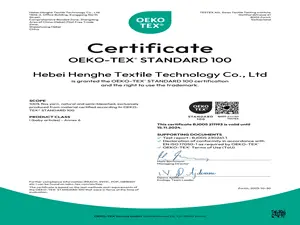
Recycle Polyester Yarn-Hebei Henghe Bangxing|Sustainable Textile, High-Performance
2026-04-02 04:05https://www.changshanfabric.com/images/auto/5Li75Zu-MTMuanB.webp
-
Recycled Polyester Yarn-Hebei Henghe Bangxing New Material Co., Ltd.|Sustainability, Technical Performance
2026-04-02 03:19https://www.changshanfabric.com/images/auto/5Li75Zu-MTMuanB.webp
-

Summary of Exhibition
2026-04-02 03:02https://www.changshanfabric.com/images/auto/changshanfabric-e755ce9910.webp

 Skin-friendly
 Versatile
 Durable
 Assured
-
Navigation
-
Main products
-
Navigation
-
Contact Us
 kewin.lee@changshanfabric.com

Room 1503, 15th Floor, Tianli Business Building, No. 34 Guang'an Street, Chang'an District, Shijiazhuang, Hebei
Copyright © 2025 Hebei Henghe Bangxing New Material Co., Ltd. All Rights Reserved. Privacy Policy